Cart 0

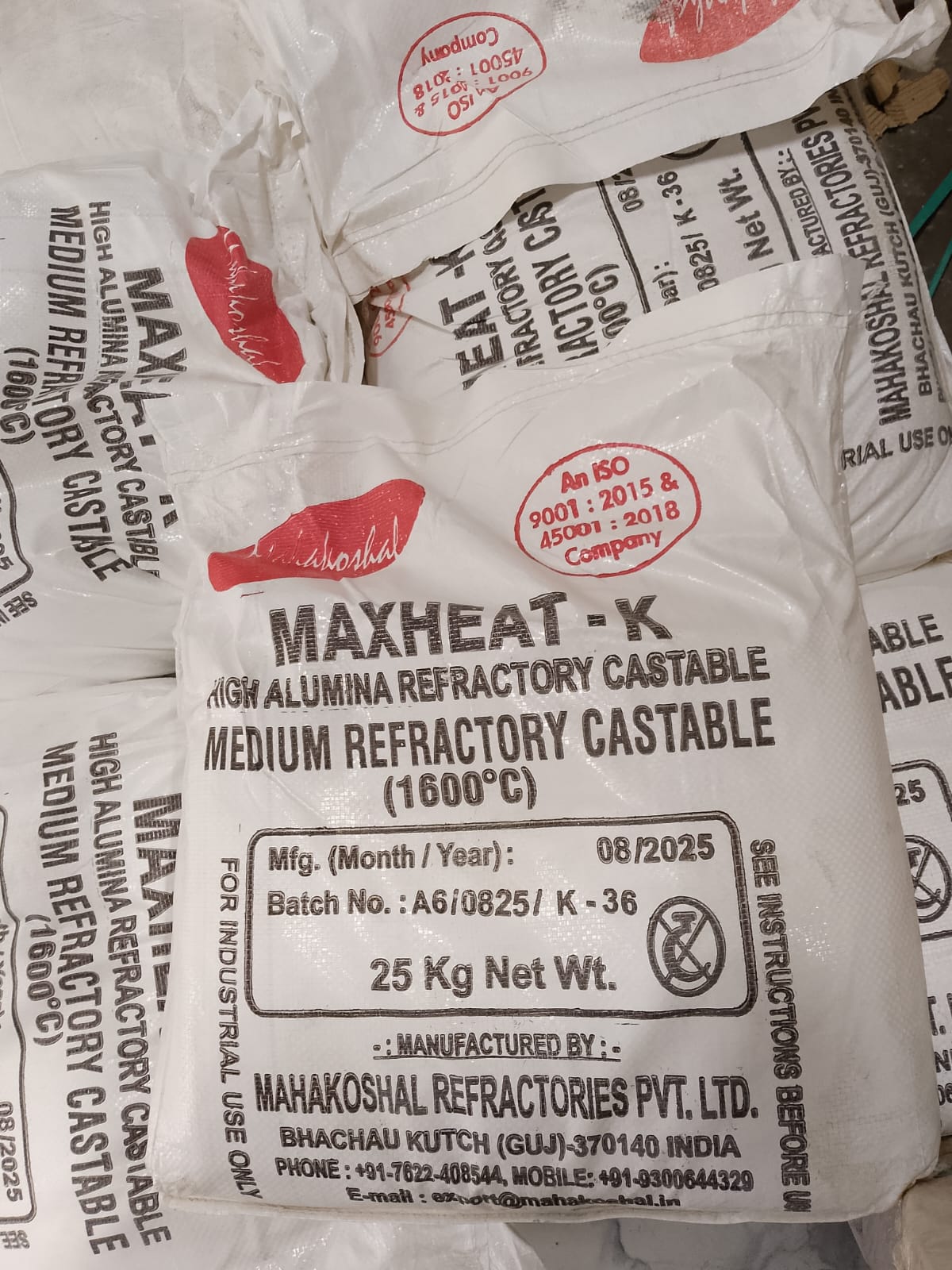
Refractory Cement in Kenya (Maxheat K 1600°C)
🔥 Maxheat K 1600°C Refractory Cement — Monolithic Casting & Curing Supply in Kenya
Insulation World Kenya Limited supplies pre-blended Maxheat K 1600°C High-Alumina Refractory Castable Cement (60% Alumina, 25 kg bags) from our Nairobi warehouse—engineered for on-site furnace casting, boiler arch repairs, and monolithic linings across Kenya.
📐 Quick Casting & Mixing Rules:
- 📦 Bag Format: 25 kg moisture-protected bags (always mix full bags to keep aggregate ratios exact)
- 🛠️ Strict No-Sand Rule: Maxheat K comes factory pre-blended and must never be mixed with ordinary building sand or external fillers—use clean potable water only.
- 🔥 Curing & Heat Limit: 24-hour damp cure followed by staged dry-out heating | Max service temp: 1600°C
🏭 Complete Refractory System Stock:
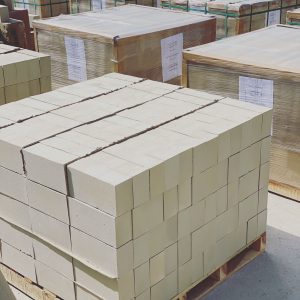
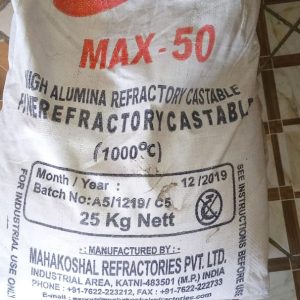
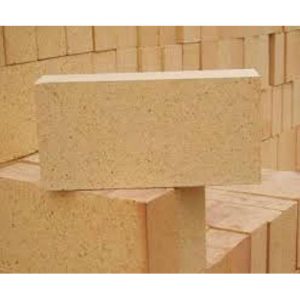
We also stock Maxheat A (1750°C, 90% Alumina), Refractory Mortar Maxset 50 (1500°C, Fine), Maxlyte 11 Insulating Castable (1300°C, Vermiculite Mix), Fondu Cement Max50 (1000°C), and Alumina Firebricks!
📍 Nairobi Warehouse Pickup & Regional Orders
Store & Warehouse Address: Nairobi, Kenya — Industrial Area, Along Old Enterprise Road, Inside Mash Auto, Hema House, Godown No. 8
Phone / WhatsApp: +254 722 401 175
Email: insulationworldkenya@gmail.com | info@insulationworldkenya.co.ke
Facebook: Insulation World Kenya Limited
Youtube: Insulation World Kenya Limited
Instagram: Insulation World Kenya Limited
Description
Maxheat K 1600C Refractory Cement in Kenya: Monolithic Casting, Mixing & Curing Guide
Across Kenya’s tea factories, sugar mills, bakeries, foundries, and manufacturing plants, replacing damaged furnace brickwork with seamless monolithic linings saves maintenance downtime and eliminates weak mortar joints. Maxheat K (1600C, 60% Alumina) is a factory pre-blended rough refractory castable cement stocked in 25 kg bags at Insulation World Kenya Limited in Nairobi, engineered specifically for on-site pouring into custom molds and formwork.
Because monolithic refractory performance depends heavily on site preparation and heat-up discipline, following proper installation standards ensures your Maxheat K lining achieves its full 1600C service life.
Step 1: Anchor Welding & Formwork Setup
Before opening any 25 kg bags of Maxheat K, prepare the steel shell and molds:
- Surface Cleaning: Strip out all loose, glazed, or crumbled old refractory material. Wire-brush the steel casing to remove scale, oil, and rust.
- Refractory Anchors: Weld heat-resistant V-anchors or Y-anchors onto the steel furnace casing to hold the castable slab securely in place during thermal expansion and contraction.
- Rigid Formwork: Construct sturdy timber or steel shuttering coated lightly with mold-release oil so water is not sucked out of the fresh castable mix. Seal joints tightly to prevent cement paste leakage during vibration.
Step 2: Strict Mixing Discipline (Never Add Sand)
- Do Not Mix With Sand: Maxheat K is a precision-engineered rough castable containing pre-sized 60% alumina aggregates. Never mix Maxheat K with ordinary building sand, ballast, lime, or Portland cement. Adding external fillers ruins its 1600C refractoriness and causes rapid structural failure.
- Mix Full 25 kg Bags: Always empty entire 25 kg bags into your clean mechanical pan mixer or mixing trough. Mixing partial bags risks separating fine hydraulic binders from heavier coarse aggregates.
- Clean Potable Water Only: Add clean, fresh drinking-quality water gradually while mixing until the batch forms a cohesive, heavy-bodied consistency that holds its shape when squeezed in a gloved hand without excess free water pooling on top.
Step 3: Pouring, Vibration & 24-Hour Damp Curing
- Immediate Placement: Pour mixed Maxheat K into the formwork within 20 minutes of adding water. Consolidate thoroughly using a mechanical poker vibrator or steel rodding bar to release trapped air bubbles around anchors.
- Damp Curing: Keep formwork intact for 24 hours. Cover exposed top surfaces with wet hessian sacks or mist lightly with clean water to control hydration heat and prevent shrinkage hair-cracks.
Step 4: Controlled First Heat-Up (Preventing Steam Spalling)
- Air Drying: After stripping forms, allow the monolithic section to air-dry naturally for 48 to 72 hours.
- Staged Dry-Out Curve: Never fire a newly cast Maxheat K lining straight to 1600C. Hold the furnace at 150C to 200C for 12 to 24 hours so trapped physical and chemical moisture vents safely as vapor, then ramp temperature slowly at roughly 50C per hour to full operating heat.
Pairing Maxheat K With Complete Furnace Lining Systems
Depending on your furnace design across Kenya, engineers frequently combine Maxheat K with complementary materials stocked in our Nairobi godown:
-
Commercial Specifications & Bulk Orders: View full technical specs on our main Maxheat K 1600 Degrees Nairobi Product Page.
-
Extreme 1750C Hot Faces: Upgrade to Maxheat A 1750C Castable Cement (90% Alumina) for steel induction furnaces and severe slag lines.
-
Firebrick Jointing: Use smooth Refractory Mortar Maxset 50 (1500C) when laying dense firebricks alongside cast sections—never use rough castable for thin brick joints.
-
Fast Low-Temp Repairs: For structural plinths, flues, and rapid 24-hour patching under 1000C, explore Fondu Cement Max50 (which can also be blended with vermiculite for insulation).
Nairobi Warehouse Collection & Regional Freight (No Deliveries)
We do not list fixed prices online because quotes depend on total bag volume and project requirements. Please note that Insulation World Kenya Limited does not provide delivery services; all orders are collected directly from our Nairobi warehouse.
- Kenya Contractors & Factories: Collect directly from Hema House Godown No. 8, Old Enterprise Road, Industrial Area, Nairobi, or arrange your own transport to Mombasa, Kisumu, Nakuru, Eldoret, Kericho, Nyeri, and Thika.
- Regional East Africa Buyers (Uganda, Tanzania, Rwanda, South Sudan): We maintain a single physical warehouse in Nairobi, Kenya. Regional buyers place direct orders with our Nairobi desk and assign their cross-border freight forwarder or truck to collect from our loading bay.
Frequently Asked Questions (FAQs)
1. Can I mix Maxheat K refractory cement with ordinary building sand to stretch the bags?
No. Maxheat K comes factory pre-blended with exact 60% alumina aggregates. Mixing it with ordinary building sand destroys its 1600C heat rating and causes the lining to melt or crack under fire. Mix with clean water only.
2. Which refractory products can be mixed with vermiculite?
Rough dense castables like Maxheat K are used neat with water. However, smooth Fondu cement and Maxset refractory mortar can be blended with vermiculite where lightweight thermal insulation is needed.
3. How soon can I light my boiler or kiln after casting Maxheat K?
Allow 24 hours of damp curing in formwork, followed by 48 to 72 hours of natural air drying. Then perform a slow, staged dry-out heat-up holding around 150C–200C before ramping to operating temperature.
4. Why must I mix a full 25 kg bag at once?
During shipping and handling, finer hydraulic cement powders settle slightly differently from coarse aggregates inside the bag. Mixing the entire 25 kg bag guarantees uniform strength throughout your casting.
5. Can I use Maxheat K to lay firebricks?
No. Because Maxheat K is a rough castable with coarse aggregates, it creates thick, weak joints between bricks. Always lay firebricks with smooth Maxset 50 Refractory Mortar (1500C).
6. How should unused 25 kg bags of Maxheat K be stored on site?
Keep unopened bags raised off concrete floors on wooden pallets inside a dry, covered store. Humidity or rain will prematurely activate the hydraulic cement bond.
7. Do you deliver Maxheat K to upcountry factories in Kenya?
For deliveries, we connect customers with trusted transporters to deliver the materials to them on customers cost.
8. How do I get a quote for my casting project?
Share your lining dimensions (length, width, thickness) or bag count via WhatsApp at +254 722 401 175 or email insulationworldkenya@gmail.com.
9. Which Other Refractory materials and Insulation materials does Insulation World Kenya Supply?
Insulation World Kenya Limited supplies wide range of Insulation and refractory materials such as:
Armaflex Rolls | Plain and With Foil Adhesive
Rockwool Pipes | 25mm and 50mm Wall Thickness
40% Alumina Standard Fire Bricks
40% Alumina End Arch Fire Bricks
40% Alumina Side Arch Fire Bricks – 1600°C ,
70% Alumina High Alumina Fire Bricks
Superlite 5000 Non-Metallic Gasket
Superlite 5000 Metallic Gasket Sheets
Superlite Acid Resistant Gasket Sheets
Superlite Special Oil Resistant Gasket
Asbestos Ropes – Round & Square
Asbestos Graphite Gland Packing
Order Maxheat K From Our Nairobi Warehouse
Store & Warehouse Address: Nairobi, Kenya — Industrial Area, Along Old Enterprise Road, Inside Mash Auto, Hema House, Godown No. 8
Phone / WhatsApp: +254 722 401 175
Email: insulationworldkenya@gmail.com | info@insulationworldkenya.co.ke
Facebook: Insulation World Kenya Limited
Youtube: Insulation World Kenya Limited
Instagram: Insulation World Kenya Limited
Site Preparation & Tools
Required Equipment & Surface Preparation Before Casting Maxheat K
- Mechanical Mixing Equipment: Use a clean paddle mixer, pan mixer, or heavy-duty mortar trough. Never use mixing drums contaminated with ordinary Portland cement, lime, or gypsum, as trace contamination triggers flash setting and weakens the 1600C refractory bond.
- Formwork & Mold Release: Construct rigid, water-tight timber or steel formwork braced to handle vibration pressure. Coat inner mold faces lightly with release oil so wood does not draw mixing water out of the fresh Maxheat K castable.
- Steel Anchor Welding: Weld stainless or heat-resistant steel V-anchors or Y-anchors securely to the furnace shell before pouring. Coat anchor tips lightly with bitumen or tape to allow slight thermal expansion without cracking the surrounding concrete.
- Consolidation Tools: Have a mechanical poker vibrator, rubber mallet, or steel rodding bar ready on site to compact the castable immediately after pouring and eliminate air voids.
- Clean Water Source: Ensure a clean, potable water supply is measured accurately on site before opening any 25 kg bags.
Technical Specifications
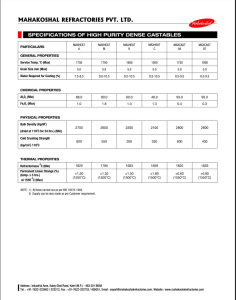
Maxheat K 1600C Castable Reference Summary
- Product Grade: Maxheat K High-Alumina Refractory Castable
- Primary Chemical Composition: 60% Alumina (Al2O3)
- Maximum Service Limit: 1600C
- Grain Structure: Graded rough coarse aggregate (monolithic pouring grade)
- Unit Weight: 25 kg moisture-protected bag
- Hydraulic Bond: High-alumina calcium aluminate binder
- Permitted Additives: Clean potable water only (never mix with ordinary building sand or external fillers)
Dry-Out Firing Schedule
Safe Initial Heat-Up Curve (Preventing Steam Spalling)
- Phase 1 — 24-Hour Wet Cure: Leave formwork in place for 24 hours after pouring. Keep exposed surfaces damp with wet hessian cloths or clean water mist to control hydration heat.
- Phase 2 — 48 to 72-Hour Natural Air Dry: Strip formwork carefully and allow the monolithic lining to air-dry naturally at ambient temperature with open furnace doors/dampers for airflow.
- Phase 3 — Low-Temperature Moisture Hold (150C to 200C): Light a low pilot fire or gas burner and hold the chamber at 150C–200C for 12 to 24 hours. Maintain this hold until all visible steam stops venting from weep holes and flues.
- Phase 4 — Gradual Ramp to Operating Temperature: Increase furnace temperature slowly at approximately 50C per hour until reaching normal operating heat (up to 1600C). Never subject a newly cast lining to sudden thermal shock.